1885 – 1927
ANTOINETTE
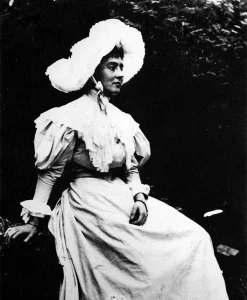
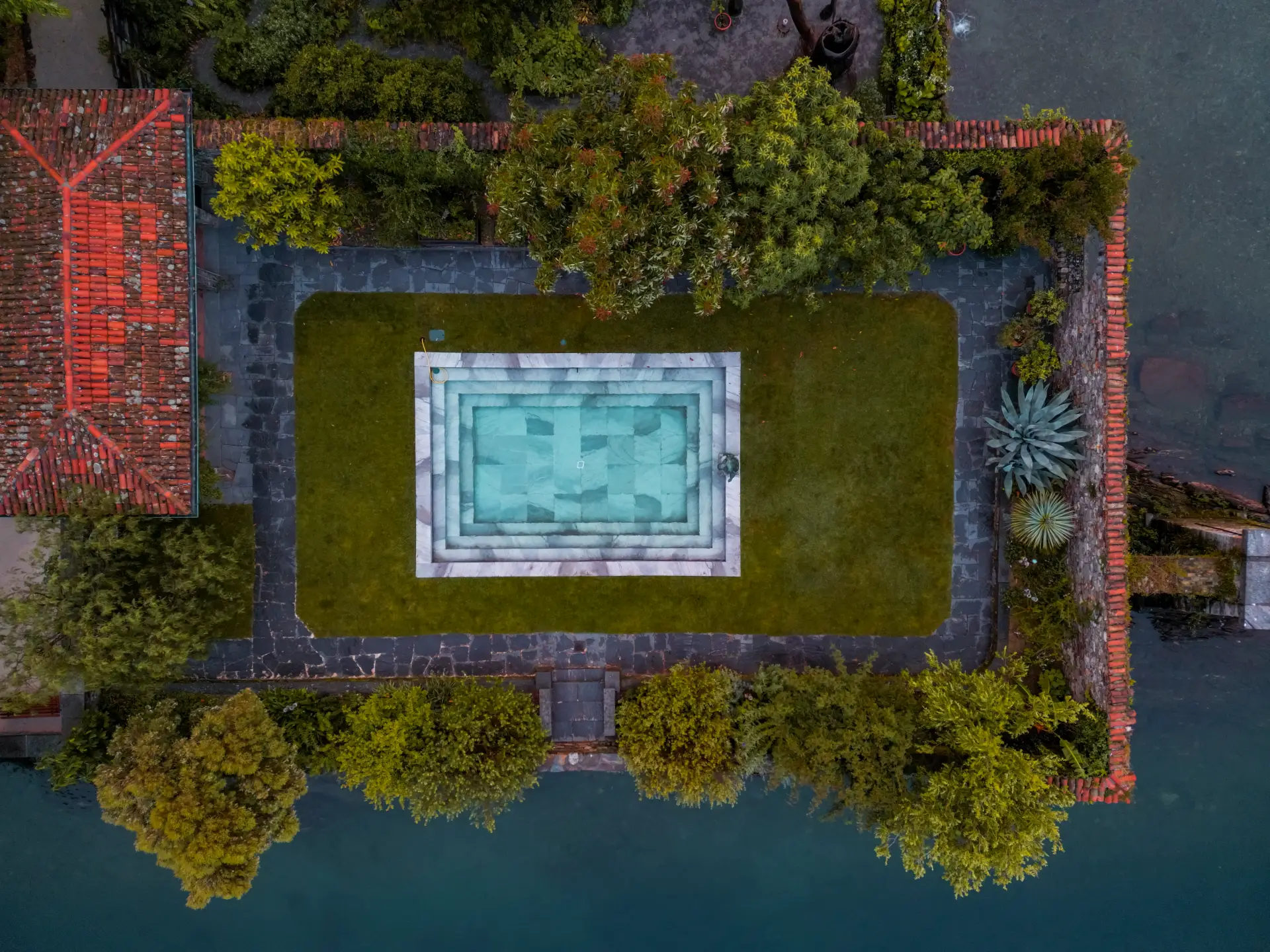
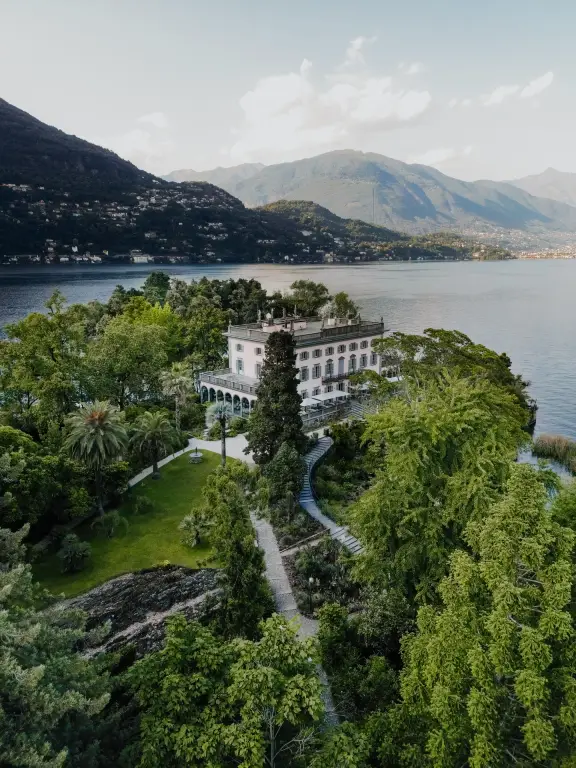
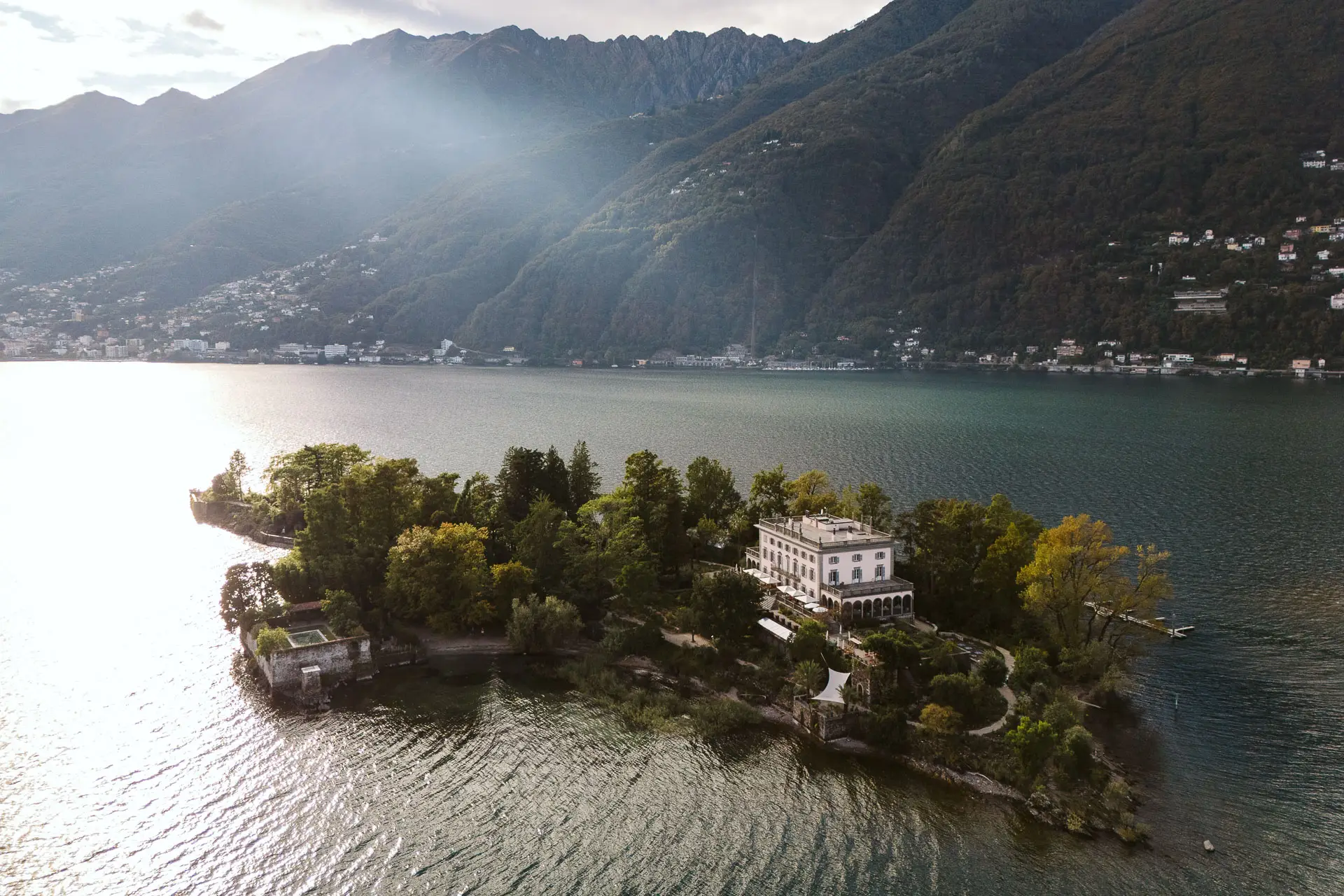
In 1885, Richard Fleming, an Anglo-Irishman of the St. Leger family and his Russsian wife, Antoniette, purchased the Brissago Islands. They built a large house on Isola Grande and began to create the botanical garden, bringing soil and manure to the island by boat. Twelve years later, Richard Fleming left the islands for Naples but his wife, Antoniette, stayed and continued to develop the garden.
From 1886 onwards, Antoinette transformed the islands into a creative residence, inviting artists and sculptors such as Danielle Ranzoni, Filippo Franzoni and Giovanni Segantini, writers including James Joyce, Rainer Maria Rilke and Harry Graf Kessler and the composer Ruggero Leoncavallo. After the First World War, Antoinette found herself in significant debt and in 1927, she was forced to sell the property and move to the mainland where she lived on government support until her death in 1948.
1928 – 1949
MAX EMDEN
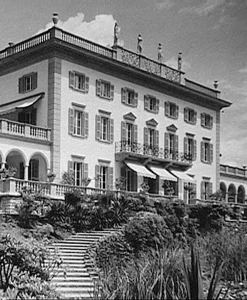
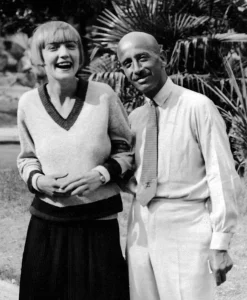 In 1928, Max Emden, a successful businessman from Hamburg, purchased the islands and commissioned architect, Alfred Breslauer, to the neoclassical Villa Emden that still stands today. Emden lived on the islands until his death in 1940 and passed the islands on to his son, Hans Erich, who later sold the islands to the Swiss Heritage society in 1949, opening the islands up to the public.
1950 – PRESENT
THE BOTANICAL GARDEN
 In 1949, Emden’s heirs made an offer to Canton Ticino to purchase the Brissago Islands. Thus, Canton Ticino, together with the municipalities of Ascona, Brissago and Ronco sopra Ascona, plus the Swiss Nature Protection League (known today as the Swiss Heritage Society) decided to purchase the Islands and the Palace. The purchasing contract, signed on September 2nd, 1949, states that the islands and its buildings have solely conservation, culture, scientific and tourism purposes that have to respect the primary purpose of conservation and enhancement of natural beauty. On the morning of April 2nd, 1950, on Palm Sunday, the Brissago Islands were finally opened to the public.
In 2019, the Brissago Island were acquired by the Canton Ticino.